


Is a Rubber Kneader Suitable for Production-Scale Tire Mixing?
Is a rubber kneader suitable for production-scale tire compound mixing? Yes, in the right application. The answer depends on production volume, compound formulation, mixing consistency, and downstream processing requirements. A kneader can be a practical choice for selected tire compounds, smaller production runs, or a dedicated mixing line. It is not automatically the best choice for a high-volume tire plant that needs tightly controlled, repeatable output across several mixing stages.
The decision is less about whether a machine can mix rubber than whether the entire line can deliver the required compound, at the required rate, shift after shift. Drawing on its experience in rubber machinery manufacturing and industrial applications, Huahan Group helps manufacturers evaluate these factors when developing equipment solutions.
Where does a rubber kneader fit in tire production?
A rubber kneader is an enclosed batch mixer that works rubber, fillers, oils, and other ingredients between rotors in a mixing chamber. The machine may be used to prepare a masterbatch, a final compound, or another intermediate mix, depending on the formulation and the line layout.
It can make sense where a manufacturer runs several formulations in relatively modest quantities, needs a separate line for a particular compound, or wants flexibility without committing an entire large mixing system to short runs. A tire-related rubber product manufacturer may also have a different throughput requirement from a plant supplying multiple high-speed tire-building lines.
That said, “production scale” is not a machine category. A kneader that comfortably supports one factory’s schedule may become a bottleneck in another. The useful question is whether it can produce the accepted compound quantity within the available operating hours, including cleaning, maintenance, changeovers, and downstream interruptions.
How much output can the line actually deliver?
Chamber volume alone does not tell you hourly production. Batch weight depends on the compound’s density, the usable fill level, and how the material behaves during mixing. A batch that is too large can overload the mixer or leave ingredients poorly incorporated; an excessively small batch may not interact with the rotors as intended.
A preliminary estimate starts with accepted batch weight multiplied by completed batches per hour. Use the full cycle, not just the time the rotors are mixing: charging, ram movement, discharge, and any waiting time count. Then account for the actual shift schedule, formulation changes, rejects, and planned downtime. If the compound needs two or more passes, each pass consumes mixing capacity and must be included in the calculation.
For example, a line may appear adequate when calculated from the masterbatch cycle alone, but fall short once the final mixing pass has to share the same machine. A second mixer, a different schedule, or a different line design may solve the problem. Oversizing only the kneader will not help if the weighing system, discharge mill, cooling line, or material handling equipment cannot keep pace.
Can a kneader achieve the consistency tire compounds need?
It can, but suitability has to be demonstrated for the actual recipe. Tire compounds vary substantially: tread, sidewall, and other components do not necessarily place the same demands on filler dispersion, viscosity, processing behavior, or cured properties. A successful trial on one recipe does not qualify the machine for every compound in the plant.
Pay attention to ingredient incorporation and batch-to-batch variation, not just whether the discharged rubber looks uniform. Filler agglomerates, uneven oil incorporation, or inconsistent polymer breakdown can affect extrusion, calendering, and the properties of the finished compound. The relevant checks should be agreed with the compounder and quality team before equipment acceptance.
A useful trial compares batches produced under a defined recipe and operating sequence. Record ingredient weights, loading order, rotor settings where adjustable, ram operation, mixing time, discharge temperature, and any available power or energy data. Then test the compound using the plant’s established methods, including dispersion and rheological checks where appropriate. A single attractive batch is not enough; repeatability matters.
What makes temperature control so important?
Mixing generates heat through mechanical work. Too little energy can leave fillers insufficiently dispersed; too much heat can damage processing consistency and, in a final mix containing curing ingredients, increase the risk of premature curing. The acceptable temperature window belongs to the formulation, not to a generic machine specification.
Cooling arrangements for the chamber, rotors, and other relevant surfaces should be reviewed alongside the available cooling-water supply and the planned duty cycle. Temperature readings are useful, but their location and response time matter. A sensor reading is not necessarily the same as the hottest point in the compound.
Many tire recipes use staged mixing: a masterbatch is prepared, cooled, and subsequently remixed, with heat-sensitive curing ingredients typically added during a later, lower-temperature stage. The exact sequence depends on the formulation. Silica-filled compounds can be particularly demanding because mixing must support both dispersion and the intended silane reaction; evaluating them by cycle time alone is risky.
Ask how the proposed controls handle variations in incoming rubber temperature, ingredient condition, and consecutive batches. Also establish what happens when the discharge temperature is outside the plant’s acceptance limits. An operator needs a clear response, not just an alarm.
How does a kneader compare with a production internal mixer?
The terminology can be confusing because a rubber kneader is itself a type of internal mixing equipment. In purchasing discussions, “kneader” often refers to a dispersion kneader, frequently with a tilting chamber, while “internal mixer” may refer to a more heavily integrated production mixer with a bottom discharge. Confirm the chamber, rotor, discharge, and control design rather than relying on the name.
A dispersion kneader may suit a line where formulation flexibility, accessible discharge, and the investment required for a particular capacity are priorities. A high-throughput internal mixing system may be preferable where automatic ingredient handling, detailed batch records, short repeatable cycles, and continuous feeding of downstream equipment are central requirements. Neither description guarantees a result: specifications and demonstrated performance still matter.
Consider maintenance as part of the comparison. Rotor and chamber wear, seals, ram components, discharge mechanisms, and access for cleaning all affect availability. A machine that looks economical at purchase can be inconvenient if a routine wear-part replacement requires more downtime than the production schedule allows. Conversely, a sophisticated automated line may be hard to justify if batch sizes are small and formulations change frequently.
What must happen after the compound leaves the mixer?
Discharge is not the end of mixing-line design. Depending on the process, the batch may go to a mill, a sheeting device, an extruder, a cooling line, or an intermediate storage area before its next pass. Each step affects temperature, material identification, and the rate at which the mixer can start the next batch.
A tilting kneader, for example, needs enough space and a suitable receiving arrangement for safe, consistent discharge. If the receiving mill is occupied or the cooling conveyor is full, the mixer may have to wait with a hot batch. That waiting time can change the compound’s history as well as reduce output. Layout discussions should therefore include operators and maintenance personnel, not only the equipment supplier.
Traceability matters when several similar-looking compounds share a line. Define how batches are identified, where they wait, how long they may be held, and how the right material reaches the next operation. Requirements for ventilation, dust collection, guarding, interlocks, and safe access should also be assessed against the actual installation and applicable local rules.
What should be agreed before ordering or accepting equipment?
Start with a small set of representative recipes, including the most difficult formulation and the one expected to occupy the most production time. Provide the supplier with the required finished compound quantity, batch sequence, operating hours, available utilities, and existing upstream and downstream equipment. Identify any information that cannot be shared and agree how it will be handled during trials.
The acceptance plan should state which compound tests will be used, how many consecutive batches will be assessed, what operating conditions will be recorded, and who decides whether results meet the plant’s limits. It should also cover practical items such as spare parts, wear surfaces, service access, operator training, and support after installation. Nominal capacity and motor power alone are not acceptance criteria.
Dalian Huahan Group, founded in 1986, develops and manufactures rubber machinery and describes an operating model that includes equipment use in its own industrial activities. That connection between machinery design and production applications can inform discussions about line layout and service access. For a tire project, however, the decisive evidence remains the proposed machine’s performance with the buyer’s compound and operating conditions.
Choose a kneader when trials and a realistic line-capacity calculation show that it meets the recipe, consistency, and output requirements with workable operating margins. If the process depends on very high throughput or extensive automation, compare it with a more integrated internal mixing line before making the investment.
Hot News

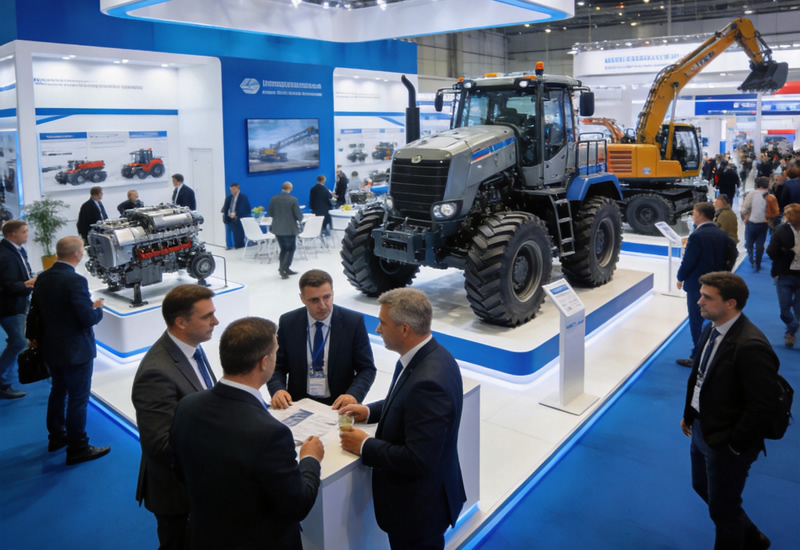
Huahan Showcases Complete Mixing Line Solutions at International Rubber Expo
Our booth presented the full rubber processing portfolio, drawing customers from tire groups and hose manufacturers across Europe, the Middle East and Southeast Asia.
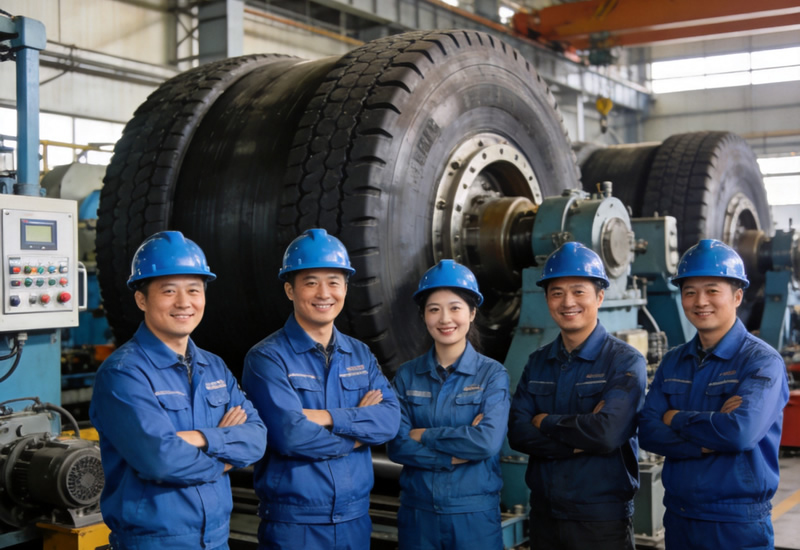
Read Article →Skilled Workforce and R&D Team Continues to Grow
The Huahan team now exceeds 500 employees, including mechanical design, electrical control, process engineering and after-sales service groups.
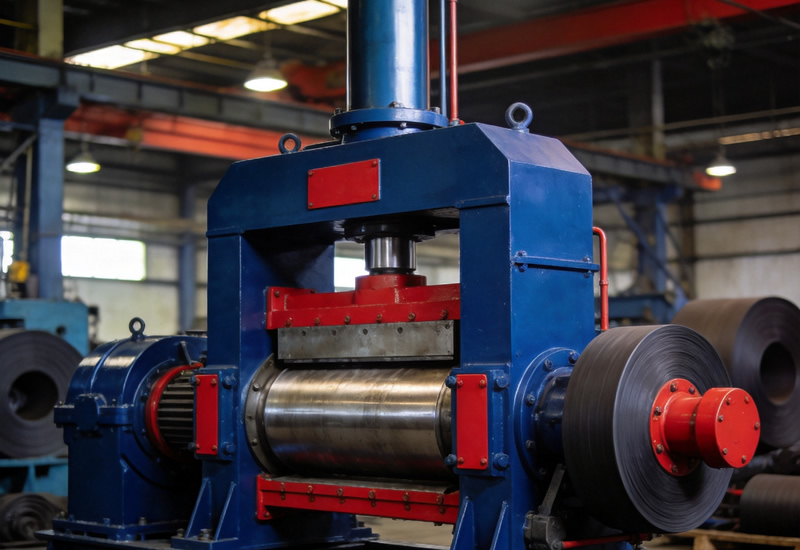
Read Article →New Intermeshing Kneader Technology Improves Dispersion Quality
Our engineering team introduced an upgraded intermeshing rotor design delivering more uniform filler dispersion and lower mixing temperatures.
Read Article →

{item.title}
{item.description}
PLANNING A NEW RUBBER PRODUCTION LINE?
Send us your process requirements — our engineers will propose a tailored machine package within 24 hours.