

Is Twin-Screw Sheeting Worth the Upgrade from an Open Mill?
Twin-screw rubber sheeting can be worth the upgrade from open-mill sheeting when a plant needs steady output, more consistent feeding, or less manual handling over long production runs. It is less compelling when batches are small, compounds change frequently, or the mill is not the limiting step in production. The decision depends on the complete line, not simply on whether one machine is newer than the other.
Before comparing equipment prices, identify what the existing mill actually does. In some plants, it mainly feeds a calender or produces a strip of compound for the next operation. In others, operators use it to blend, warm, inspect, and adjust the compound as well as form a sheet. A twin-screw system may replace some of those functions, but it should not be assumed to replace all of them without a process review.
What changes when you move away from an open mill?
An open mill works compound between two rotating rolls. The operator can observe the material, adjust the roll gap, and manipulate the rubber as it bands on the rolls. Depending on the process, the mill may be used to warm, blend, feed, or sheet the compound. It is familiar and adaptable, but its output and consistency can depend heavily on how the material is presented and handled.
In a twin-screw sheeting arrangement, compound is fed into an enclosed screw machine and conveyed toward a downstream forming section. The screw configuration, temperature controls, feeding method, and sheet-forming equipment all influence the result. The system may provide a more continuous supply, but the twin screws alone do not guarantee a finished sheet of the required quality.
The downstream equipment matters just as much. A line producing a controlled sheet for a subsequent operation may use a different forming and handling arrangement from one feeding a calender. Ask suppliers to describe the entire path from incoming compound to the point where the sheet is accepted by the next process.
Will a twin-screw line increase usable production?
It can, especially when an open mill requires repeated manual feeding and produces material intermittently while the next process would benefit from a steadier supply. Continuous operation can reduce the gaps between batches and make downstream scheduling more predictable.
However, compare usable output over a production shift, not the highest stated machine capacity. A faster sheeting line adds little value if the mixer cannot supply it, the cooling section cannot handle the sheet, or the next machine must regularly stop. Startup, compound changes, cleaning, adjustment, and rejected material all affect the amount of acceptable product reaching the next operation.
For a plant running long campaigns of the same compound, those interruptions may represent a relatively small part of the shift. For a plant changing formulations several times a day, the same line may spend a much larger share of its time being emptied and prepared for the next batch. In that situation, the flexibility of an open mill can outweigh the theoretical advantage of continuous processing.
Use the rate at which the complete line can accept and deliver good material as the basis for comparison. Include normal stops and the range of compounds that make up actual production, rather than selecting only the easiest material to process.
Does twin-screw sheeting produce a more consistent sheet?
It can improve consistency when the material feed, machine settings, and downstream forming equipment are controlled together. A steady supply can reduce some variations associated with intermittent handling, particularly when a calender or other downstream machine is sensitive to changes in feed.
That does not mean every variation will disappear. Sheet thickness and width can also be affected by compound temperature, formulation, pressure stability, forming equipment, cooling, and take-off speed. A screw machine supplied with irregularly sized pieces or an inconsistent feed rate may pass those disturbances downstream rather than eliminate them.
When assessing quality, define what “consistent” means for the application. A strip used as feed for another machine may be judged mainly by continuity and ease of handling. A sheet intended for a subsequent forming operation may have tighter requirements for thickness, surface condition, and dimensional uniformity. These are different duties and should not be treated as interchangeable.
Also consider the condition of the compound itself. Processing changes its thermal and mechanical history. Excessive temperature or residence time can be a concern for scorch-sensitive compounds, while insufficient conditioning can cause problems downstream. The appropriate settings depend on the formulation and the complete line, so representative compound trials are more useful than a general equipment comparison.
How much labor can the upgrade actually save?
A twin-screw line can reduce some repetitive manual tasks, particularly when feeding and sheet transfer are designed as part of an integrated system. That may make staffing more predictable and reduce the need for operators to handle hot or heavy compound close to moving equipment.
It does not make the process unattended. Operators still need to manage feeding, monitor temperatures and output, respond to interruptions, inspect the sheet, and handle changeovers. Maintenance staff also take responsibility for screws, barrels, drives, controls, and any connected equipment.
The practical question is whether the line reduces the labor required per unit of acceptable output or allows the same team to operate more reliably. Count work moved elsewhere in the plant, too. If upstream batches need extra preparation before they can be fed consistently, that time belongs in the comparison.
Is an enclosed system automatically safer than an open mill?
An enclosed processing section can reduce direct access to some moving components, but a complete twin-screw line still has hazards. Feed openings, drives, sheet take-off points, downstream rolls, hot surfaces, and cleaning or maintenance work all need appropriate safeguards and procedures.
Open mills require particular attention to access around rotating rolls and to the tasks operators perform near the nip. Neither option should be judged on appearance alone. Review normal operation, foreseeable blockages, maintenance access, isolation procedures, and emergency stopping across the whole line. Changes to feeding and material transfer should be included in that review.
When does keeping an open mill make more sense?
An open mill may remain the practical choice when production involves short runs, frequent compound changes, development work, or materials that require close visual attention and operator adjustment. It can also be useful when the existing equipment has enough capacity and the main production constraint lies elsewhere.
Keeping the mill does not necessarily mean leaving the process unchanged. Better material presentation, more consistent operating procedures, maintenance, or improvements to downstream handling may address the immediate problem at a lower investment. Assess those options against the expected life and condition of the existing equipment.
A mixed approach can also be sensible. A plant might use a continuous line for high-volume compounds while retaining a mill for trials, special formulations, or backup. The value of that arrangement depends on available space, staffing, and how much capacity is needed in each mode.
How should you calculate whether the upgrade pays?
Start with the installed cost of the complete system, not only the quoted price of the twin-screw machine. Depending on the layout, the project may include feeding, sheet forming, conveyors, cooling, electrical work, controls, utilities, guarding, installation, and changes to upstream or downstream equipment. Allow for commissioning, training, spare parts, and planned production interruptions during the transition.
Then compare ongoing costs and benefits over the same operating period:
- Usable output: acceptable material delivered after normal stops, startup, and changeovers.
- Labor: operating and material-handling time across the complete process.
- Waste: rejected sheet, startup material, and compound affected by changeovers.
- Utilities and maintenance: energy, temperature-control utilities, wear parts, servicing, and downtime.
- Capacity value: additional output that the rest of the plant can actually process and use.
A straightforward estimate divides the additional installed investment by the expected annual net operating benefit. Use the difference between the two options, not the full cost of running the new line. If the main benefit is extra capacity, count it only when there is a realistic way to sell or use that production and the rest of the factory can support it.
Run the calculation with more than one production mix. A line that looks attractive with long runs may have a different payback when normal changeovers and slower compounds are included. Financial payback may not capture every benefit, such as reduced handling exposure or improved process stability, but those benefits should still be described in operational terms rather than assumed.
What should a supplier demonstrate before you decide?
Provide the supplier with representative formulations or compound descriptions, batch presentation, target output, required sheet dimensions, operating schedule, and the equipment before and after the proposed line. Include the difficult materials and typical changeover pattern, not only the highest-volume compound.
Ask for a process proposal that identifies the scope of supply and the responsibilities at each interface. In particular, establish how the compound will be fed, how temperature will be controlled, how the sheet will be formed and transferred, and what happens during a downstream stop. Discuss cleaning access, expected wear areas, maintenance clearance, and the handling of material remaining in the machine after a run.
A useful acceptance plan specifies what will be measured, where it will be measured, which compounds will be used, and how startup, steady operation, and changeover will be assessed. Output and sheet quality should be evaluated together: a high production rate has limited value if the material does not meet the needs of the next process.
Dalian Huahan Group provides customized equipment solutions for rubber factories and has its own rubber manufacturing operations. For a project involving a broader line change, a supplier discussion can cover the interfaces between sheeting and surrounding equipment as well as the individual machine. The purchase decision should still rest on the proposed configuration and its suitability for the plant’s compounds and production schedule.
Can the existing mill be retained during the transition?
Often, yes, provided the layout and material flow allow both systems to operate. Retaining it can give the plant a way to process smaller batches or maintain production while the new line is commissioned. The transition plan should account for floor space, utilities, staffing, and how compound will be routed between the two processes.
Does twin-screw sheeting eliminate the need for a mixer or calender?
Not necessarily. A twin-screw machine may perform some conditioning as it conveys the compound, but that is not automatically equivalent to the mixing duty upstream. Similarly, whether it can replace a calender depends on the sheet specification and the forming equipment included in the line. Define each machine’s required function before removing it from the process.
What is the first step before requesting quotations?
Record the current process: compounds, batch sizes, acceptable output, operating time, changeovers, scrap, and the reason for each significant stop. Then identify the constraint the upgrade must solve. With that baseline, equipment proposals can be compared against the same production duty, and the decision becomes a question of measurable fit rather than technology preference.
Hot News

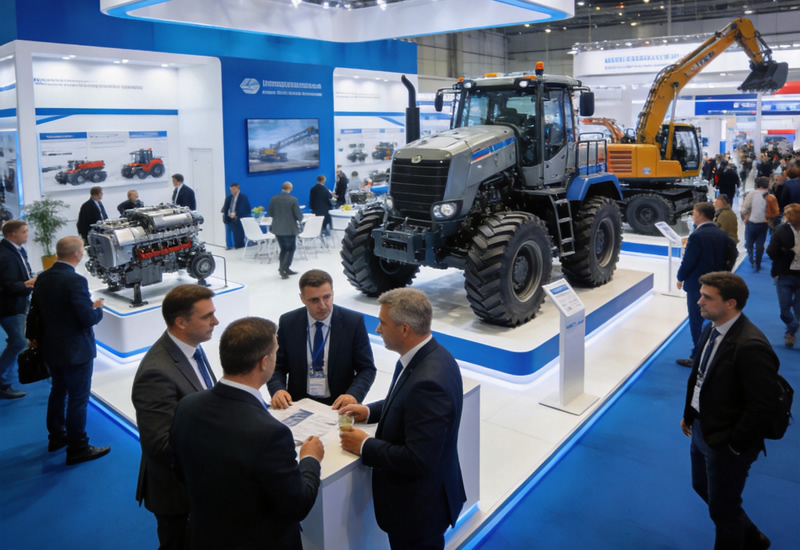
Huahan Showcases Complete Mixing Line Solutions at International Rubber Expo
Our booth presented the full rubber processing portfolio, drawing customers from tire groups and hose manufacturers across Europe, the Middle East and Southeast Asia.
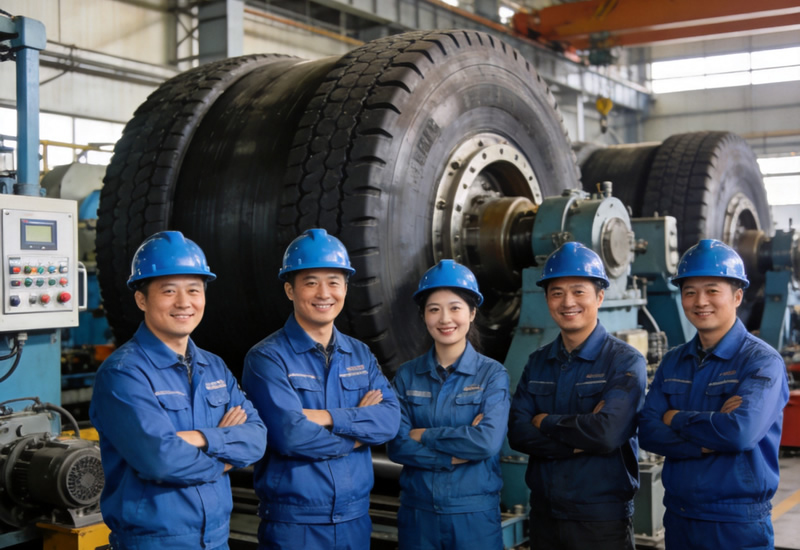
Read Article →Skilled Workforce and R&D Team Continues to Grow
The Huahan team now exceeds 500 employees, including mechanical design, electrical control, process engineering and after-sales service groups.
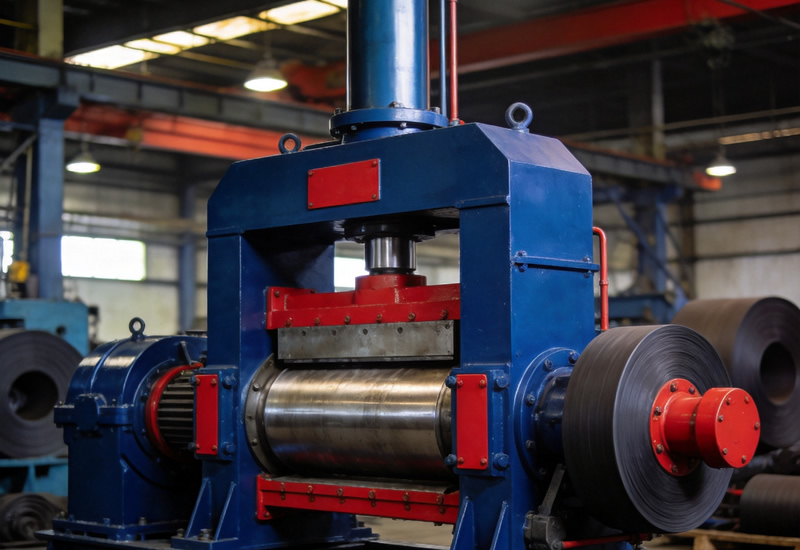
Read Article →New Intermeshing Kneader Technology Improves Dispersion Quality
Our engineering team introduced an upgraded intermeshing rotor design delivering more uniform filler dispersion and lower mixing temperatures.
Read Article →

{item.title}
{item.description}
PLANNING A NEW RUBBER PRODUCTION LINE?
Send us your process requirements — our engineers will propose a tailored machine package within 24 hours.