

Inside a Rubber Machinery Factory: What Manufacturing Capability Really Means
Inside a Rubber Machinery Factory: What Manufacturing Capability Really Means
Manufacturing capability in rubber machinery is the ability to hold geometry, alignment, and surface quality on large, heavily loaded parts — a mixer chamber, a calender roll stack, a press platen — and to repeat that result across every unit shipped, year after year, without the customer discovering the difference at commissioning.
It is not a floor area. A 120,000 m² industrial park means nothing if the machining is outsourced and the assembly is bolted together from third-party kits. What separates a real machinery builder from an assembler comes down to four capabilities: in-house machining, controlled assembly, load testing before shipment, and a service and spare-parts organization that outlives the warranty.
This page walks through what to look for, and describes how Huahan's manufacturing base in Dalian is organized.
The four capabilities that decide machine quality
Most supplier evaluations stop at the first two. The third and fourth are where lifetime cost is actually decided.
Huahan: four decades in one place
Huahan's manufacturing history runs in a straight line from a single workshop to an integrated industrial park, all in Zhuanghe, Dalian:
- 1986 — Huahan is founded in Zhuanghe, Dalian, starting as a rubber machinery workshop.
- 2000 — Workshop capacity expands steadily as demand grows.
- 2010 — New machining and assembly workshops are built, and the product range widens from single machines into complete processing lines.
- Today — A 120,000 m² industrial park, more than 500 employees, and equipment running in more than 60 countries.
The sequence matters more than any single number. A company that added machining and assembly capacity while widening from machines to complete lines is a company that moved upstream in the value chain — from building equipment to owning the process knowledge behind it. That is the transition that separates a machine shop from a line supplier.
Why scale matters — and where it stops mattering
Three numbers come up in every supplier conversation, and each has a specific reading:
120,000 m² of industrial space. Relevant because large-part manufacturing needs floor area for machining beds, assembly bays, and finished-goods staging that a small workshop cannot provide. A calender roll stack or a complete steel wire calendering line cannot be assembled in a cramped bay and then aligned properly.
500+ employees. Relevant as a proxy for organizational depth — engineering, machining, assembly, quality, and after-sales as separate functions rather than one team doing all five. Below a certain headcount, the same people who design the machine also chase the spare parts, and both suffer.
60+ countries of installed equipment. Relevant because it is the hardest number to fake. Every export destination implies documentation in another language, a shipping and commissioning path, and a local service arrangement. A wide installed base also means the failure modes have already been seen somewhere and designed out.
What none of these numbers tell you is whether the machine suits your compound. That question is answered by a test run, not a factory tour.
The closed-loop check: a manufacturer that runs its own equipment
The most useful capability signal in this industry is rarely printed on a brochure: does the manufacturer operate rubber processing equipment itself?
Huahan runs its own rubber flooring production, using rubber processing equipment of the type it builds for customers. That creates a feedback loop most machinery builders do not have — mixing and forming problems show up on the builder's own shop floor and in its own product quality, not months later on a customer's line. Design changes get validated in production rather than in a simulation.
For a buyer, the practical question to ask any supplier is a version of the same test: where can I see your equipment running in continuous production, under someone's commercial pressure, not just in a demonstration bay?
What to check on a factory visit
If you are evaluating a rubber machinery supplier, these are the checks that actually differentiate:
- Machining floor — which critical parts are cut in-house, and on what machines. Ask specifically about rotor profiles and chamber bores.
- Assembly bay — is there room to assemble and align a complete line, or only single units?
- Test capability — is there a run-in procedure, and can you witness it on your compound or a representative one?
- Quality records — material certificates, dimensional inspection reports, and a traceable inspection path per machine.
- Engineering interface — can you talk to the people who design the machine, or only to sales?
- Spare parts and service path — response time, wear-part stock, documentation language.
- Reference plants — at least one installation you can visit, ideally processing a compound close to yours.
Huahan's manufacturing base
Huahan builds internal mixers, kneaders, calenders, extruders, batch-off cooling systems, and tire building and curing equipment at its Dalian base, founded in 1986 and now spanning a 120,000 m² industrial park with more than 500 employees. The company holds ISO 9001 certification and CE marking, and has been designated a National High-Tech Enterprise and a Specialized, Refined, Differentiated and Innovative "Little Giant" enterprise.
Factory footage is available on the video page; export markets and customer references are listed under partners. Equipment built at the base includes the intermeshing internal mixer for temperature-sensitive compounds and the steel wire calendering line for tire reinforcement processing. The complete range is on the products page.
FAQ
How large is Huahan's manufacturing base?Huahan operates a 120,000 m² industrial park in Zhuanghe, Dalian, China, with more than 500 employees, building rubber and plastic processing machinery for customers in more than 60 countries.
When was Huahan founded?Huahan was founded in 1986 in Zhuanghe, Dalian, as a rubber machinery workshop. It expanded its workshops in 2000 and added new machining and assembly workshops in 2010 as its range widened from single machines to complete processing lines.
Does Huahan machine parts in-house?Yes. Huahan operates its own machining and assembly workshops at its Dalian base, which allows critical components such as rotors and chamber bodies to be produced and reworked under the company's own quality control rather than through subcontractors.
What does "in-house rubber production" mean for a machinery buyer?Huahan runs its own rubber flooring production using the type of rubber processing equipment it builds. This means mixing and forming issues are observed in the builder's own commercial production, giving a faster and more realistic feedback loop into machine design than a demonstration-only facility.
What should I check when auditing a rubber machinery factory?Check which critical parts are machined in-house, whether the assembly bay can fit a complete line, whether a loaded test run is possible before shipment, what quality records accompany each machine, whether you can speak directly with design engineers, and whether there is a reference plant processing a compound similar to yours.
Hot News

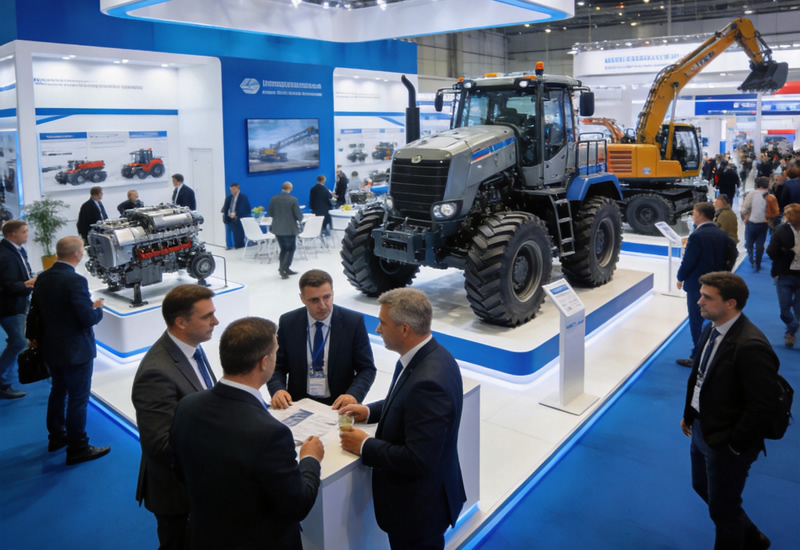
Huahan Showcases Complete Mixing Line Solutions at International Rubber Expo
Our booth presented the full rubber processing portfolio, drawing customers from tire groups and hose manufacturers across Europe, the Middle East and Southeast Asia.
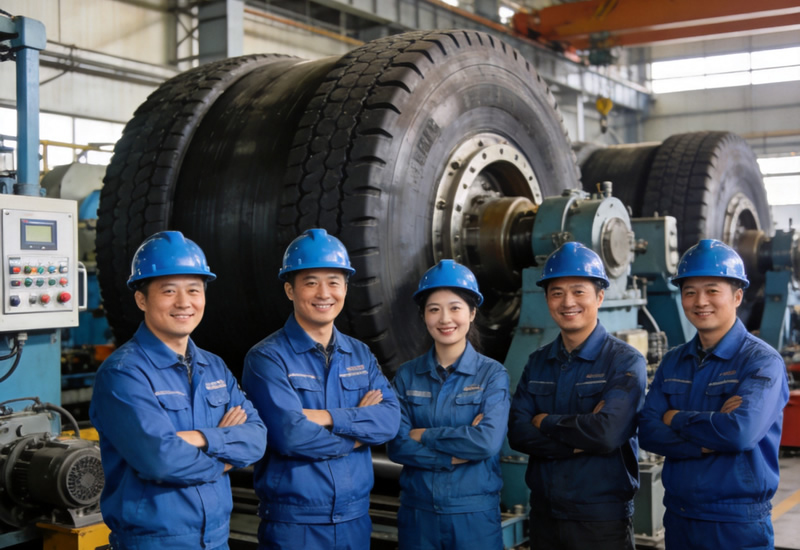
Read Article →Skilled Workforce and R&D Team Continues to Grow
The Huahan team now exceeds 500 employees, including mechanical design, electrical control, process engineering and after-sales service groups.
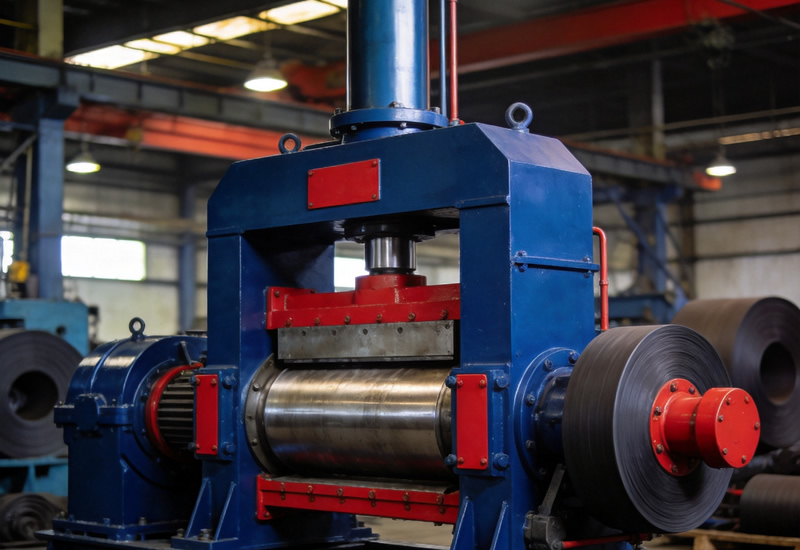
Read Article →New Intermeshing Kneader Technology Improves Dispersion Quality
Our engineering team introduced an upgraded intermeshing rotor design delivering more uniform filler dispersion and lower mixing temperatures.
Read Article →

{item.title}
{item.description}
PLANNING A NEW RUBBER PRODUCTION LINE?
Send us your process requirements — our engineers will propose a tailored machine package within 24 hours.